

Nachrichten
Nachrichten und aktuelle Informationen auf einen Blick
The Forgotten System: Why the Endocannabinoid System Should Be Taught in Medical Schools
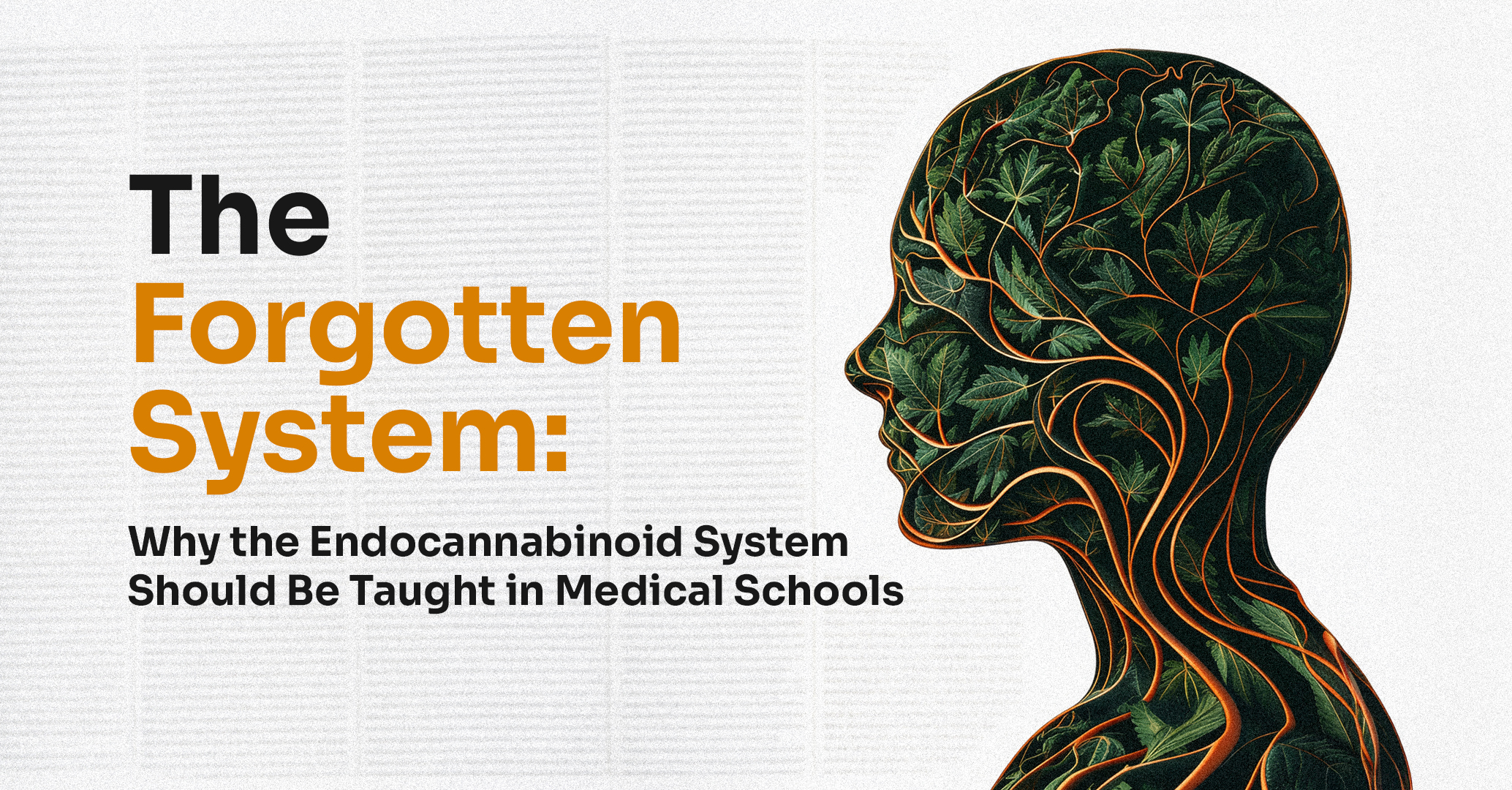
For decades, medical education has focused on the body’s major regulatory networks: the nervous system, the immune system, the endocrine system. Yet one of the most influential systems involved in balance and homeostasis has remained largely absent from medical curricula. The endocannabinoid system, discovered only in the late 20th century, is still treated as optional knowledge rather than foundational science. That omission is no longer defensible.
The endocannabinoid system plays a central role in maintaining balance across the body. It influences pain perception, mood regulation, sleep, appetite, inflammation, memory, stress response, and immune function. These are not fringe processes. They are core physiological functions that doctors address daily, regardless of specialty. Teaching medicine without properly addressing this system is like teaching cardiology without fully explaining blood pressure regulation.
One reason the endocannabinoid system has been overlooked is timing. It is a relatively recent discovery compared to other biological systems, and medical education is notoriously slow to adapt. Another reason is stigma. Because the system was identified through research into cannabinoids, it became indirectly entangled with cultural and political views on cannabis. As a result, scientific relevance was overshadowed by controversy, and education suffered.
This gap has real consequences. Physicians are expected to manage chronic pain, anxiety, sleep disorders, inflammatory conditions, and stress-related illnesses, yet many lack a clear understanding of one of the body’s key regulatory mechanisms involved in these conditions. Without education on the endocannabinoid system, treatment decisions are often made in isolation, focusing on symptoms rather than systemic balance.
Teaching the endocannabinoid system would not mean promoting cannabis as a solution. On the contrary, it would allow future doctors to understand when cannabinoid-based therapies may or may not be appropriate, how they interact with other systems, and why responses vary so widely between patients. It would also support better conversations with patients who are already asking informed questions about medical cannabis, CBD, and related therapies.
Importantly, the endocannabinoid system is not only relevant to cannabis-based treatments. It is involved in how the body responds to stress, trauma, diet, exercise, and sleep. Understanding it enhances clinical reasoning across disciplines, from psychiatry to gynecology to internal medicine. Ignoring it limits a physician’s ability to see the full picture of patient health.
Medical education is meant to prepare doctors for reality, not for outdated frameworks. Patients are increasingly informed, research continues to expand, and cannabinoid-based medicines are now regulated and prescribed in many parts of the world. When doctors are not taught the underlying system that explains these therapies, the result is uncertainty, hesitation, and missed opportunities for evidence-based care.
The endocannabinoid system is not alternative medicine. It is human biology. Teaching it should not be controversial; it should be standard. If medical schools aim to educate doctors who understand the body as an integrated whole, then this “forgotten system” can no longer remain an afterthought. It is time it became part of the foundation.
Follow mediproCan instagram