

Nachrichten
Nachrichten und aktuelle Informationen auf einen Blick
From Plant to Prescription: The Invisible Journey of Medical Cannabis
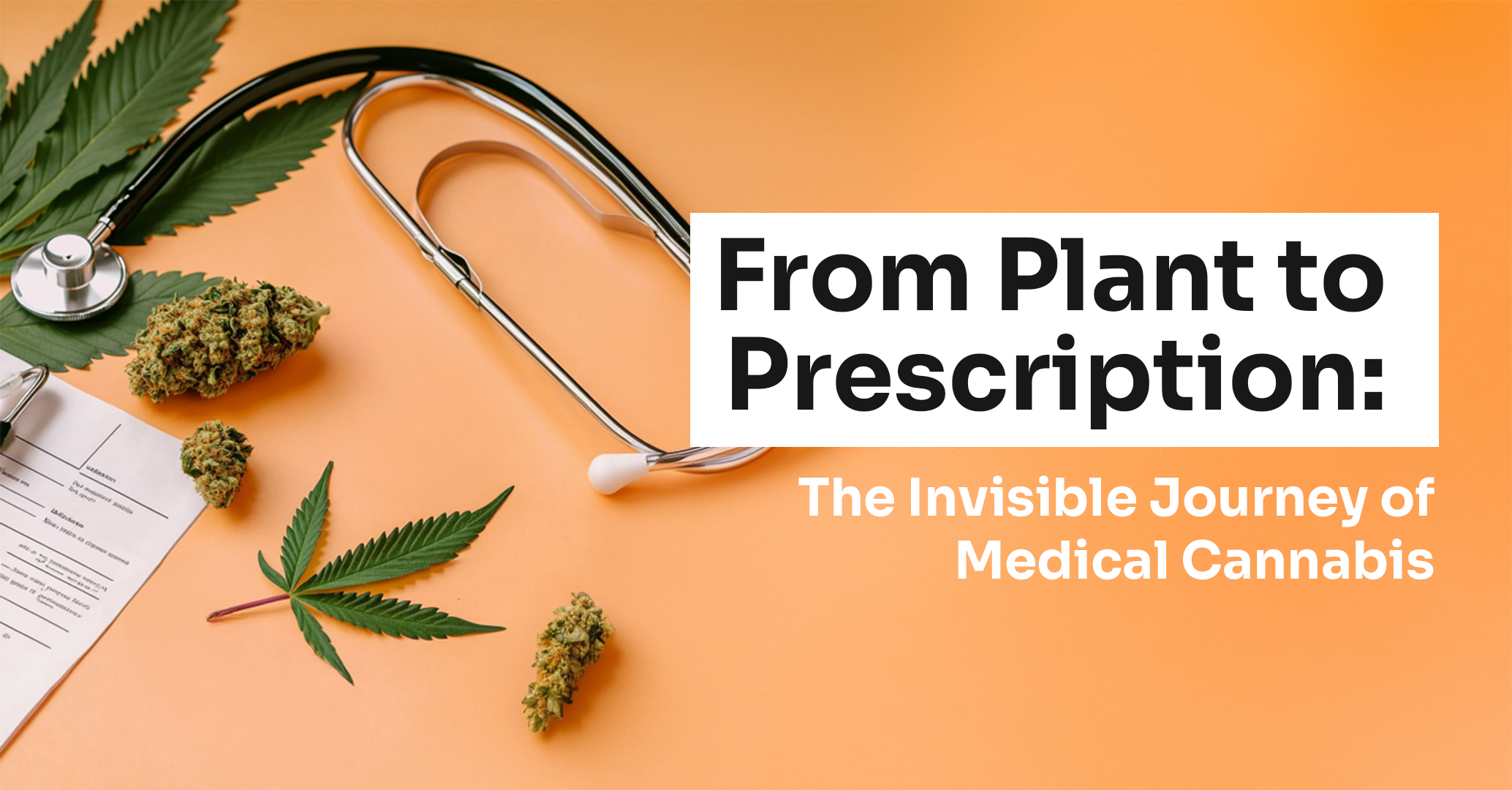
Medical cannabis is often discussed at its final destination: the patient. What happens before that moment is far less visible, yet it is where quality, safety, and medical integrity are truly defined. Behind every prescribed cannabis product lies a long, tightly controlled journey that transforms a plant into regulated medicine.
The process begins with genetics. Not all cannabis plants are suitable for medical use. Cultivators select stable genetic profiles that allow for consistency in cannabinoid and terpene composition. In medical contexts, predictability matters. Patients and physicians rely on products that behave the same way from batch to batch, something only possible through controlled genetics and standardized cultivation methods.
Cultivation itself is a highly regulated environment. Medical cannabis is grown under strict conditions that monitor light cycles, temperature, humidity, and nutrient intake. These parameters are not about maximizing yield, but about ensuring uniformity and minimizing contamination. Pesticide use is heavily restricted or prohibited, and every input must be documented. This stage alone separates medical cannabis from unregulated or recreational cultivation.
Once harvested, the plant enters post-production. Drying and curing are carefully managed to preserve chemical stability and prevent microbial growth. Poor handling at this stage can compromise an entire batch, regardless of how well the plant was grown. In medical cannabis production, precision continues long after harvest.
Laboratory testing is a critical checkpoint. Independent labs analyze each batch for cannabinoid content, terpene profiles, microbial contamination, heavy metals, and residual solvents. Only products that meet defined medical standards are allowed to proceed. This step ensures not only effectiveness, but patient safety. It is also where transparency enters the system, providing data that healthcare professionals can rely on.
Following testing, cannabis is processed into its final medical form. Depending on regulation and prescription models, this may include dried flower, oils, capsules, or extracts. Dosage accuracy, stability, and shelf life are all evaluated. Packaging is designed to protect the product, provide clear information, and prevent misuse, particularly in households with children.
Distribution adds another layer of control. Medical cannabis moves through regulated supply chains with full traceability. Every step, from cultivation to pharmacy, is documented. This traceability is essential for recalls, quality assurance, and regulatory oversight. It is also what distinguishes medical cannabis as part of a healthcare system rather than a consumer market.
By the time medical cannabis reaches a patient, it has passed through multiple layers of scrutiny. What may appear as a simple plant product is, in reality, the result of scientific planning, regulatory compliance, and medical responsibility. The journey is largely invisible to the public, but it is the foundation of trust in medical cannabis care.
Understanding this process helps shift the conversation. Medical cannabis is not an informal alternative; it is a regulated therapeutic option shaped by standards similar to other plant-based medicines. Recognizing the invisible journey from plant to prescription is key to appreciating why education, regulation, and quality control matter at every step.
Follow mediproCan instagram